Eco cleaning Maida Vale recycling and donation tips
Eco cleaning in Maida Vale is not just about using a greener spray bottle or swapping one product for another. It is about the whole clean-up process: what gets kept, what gets donated, what gets recycled, and what should be disposed of properly. If you are clearing out a flat after a move, freshening up a family home, or tackling a long-overdue declutter, the difference between a standard clean and a truly eco-conscious one often comes down to the small decisions you make before the bins are full.
That is where this guide comes in. We will walk through practical Eco cleaning Maida Vale recycling and donation tips that help you reduce waste, keep usable items in circulation, and make the clean feel lighter, calmer, and more organised. You will also find sensible local guidance, common mistakes to avoid, and a simple process you can follow without turning the whole job into a weekend nightmare. Let's face it, most people do not need perfection. They need a clear plan that actually works.
For readers who want a wider sustainability framework alongside the cleaning process, our recycling and sustainability approach explains how greener habits fit into everyday cleaning work.
Table of Contents
- Why Eco cleaning Maida Vale recycling and donation tips matters
- How eco cleaning, recycling and donation works
- Key benefits and practical advantages
- Who this is for and when it makes sense
- Step-by-step guidance
- Expert tips for better results
- Common mistakes to avoid
- Tools, resources and recommendations
- Law, compliance, standards and best practice
- Options, methods and comparison table
- Case study or real-world example
- Practical checklist
- Conclusion
- Frequently asked questions
Why Eco cleaning Maida Vale recycling and donation tips Matters
Maida Vale homes and flats often deal with a familiar mix: compact storage, mixed-use rooms, older furniture that still has life in it, and regular pressure to keep everything tidy without generating a mountain of waste. That is exactly why eco-conscious cleaning and clearing matter here. A rushed clear-out can easily send useful items to landfill, create avoidable waste, and leave you with that awkward feeling that you could have done better.
Eco cleaning is really about respect. Respect for the home, for the items inside it, and for the people or organisations that can still use them. A kettle that no longer suits your kitchen may be perfect for a student flat. Books, cookware, linens, and small homewares often have a second life if they are clean, intact, and safely packaged. The same goes for recycling. When items are sorted properly, the clean-up becomes more efficient and less stressful.
There is also a practical side. A cleaner, better-sorted property tends to be easier to move through, easier to deep clean, and easier to hand over if you are finishing a tenancy or preparing a sale. In our experience, the jobs that go smoothly are usually the ones where someone took ten minutes up front to decide what stays, what goes, and what can be passed on. Small effort. Big difference.
And truth be told, the eco approach is often the calmer one. You pause, sort, label, and move with purpose instead of filling black bags and hoping for the best. That is good for the environment, yes, but it is also good for your headspace.
How Eco cleaning Maida Vale recycling and donation tips Works
The process is straightforward once you break it into stages. First, you identify what is being cleaned and cleared. Then you separate items into broad groups: keep, donate, recycle, repair, and dispose. After that, the cleaning itself can happen around those decisions rather than after them. That order matters more than people think.
Think of it like this: if you deep clean first and sort later, you often end up handling the same items twice. If you sort first, the clean happens around a clearer space. It is more efficient, and less mentally noisy. You also reduce the chance of mixing recyclable materials with general waste or accidentally donating something that should have been repaired, washed, or wiped down first.
There is a difference between cleaning and clearing responsibly. Eco cleaning means using lower-impact products where suitable, working carefully to avoid unnecessary waste, and handling leftover items in a sensible way. Reuse comes first where possible, then recycling, and only then disposal. That priority order is what makes the process genuinely eco-friendly rather than just a tidy label.
If you are dealing with a bigger refresh or a property that needs more than a surface tidy, a service such as deep cleaning can sit neatly alongside your sorting plan. The same goes for a full property reset like move-out cleaning, where timing and waste handling both matter.
Key Benefits and Practical Advantages
The benefits are not just environmental. They are practical, emotional, and logistical too. A well-planned eco clean can make a home feel less cluttered before the first cloth even comes out.
- Less waste: Usable items are diverted from the bin and given a second life.
- Better organisation: Sorting ahead of time creates a cleaner workflow.
- Lower clean-up stress: Fewer half-decisions while you are in the middle of the job.
- Improved hygiene: Items that are keepers can be cleaned properly, not rushed.
- More room to breathe: Clearing donated items out of the way quickly opens up space.
- Good handover results: Particularly useful for tenancy endings, property sales, or family moves.
There is also a social benefit that people sometimes underestimate. A good donation routine can support local reuse culture, which is especially handy in a neighbourhood like Maida Vale where people move fairly often and quality household items can still be valuable. One person's "I do not need this anymore" really can become another person's useful starter item. That sounds obvious, but in the rush of a move it is easy to forget.
If your clean-up is tied to a larger residential refresh, our domestic cleaning and regular cleaning services can also help keep the space manageable after the initial sort.
Who This Is For and When It Makes Sense
This approach suits a lot of people, not just those going through a major declutter. If you are living in a flat near the canal, juggling work and family life, or simply trying to get ahead of the mess before it becomes a bigger job, these tips are for you.
It especially makes sense if you are:
- moving in or moving out of a property
- sorting through cupboards, loft spaces, or spare rooms
- preparing items for donation after a home refresh
- trying to reduce unnecessary waste during a clean
- managing household clutter in a small or shared home
- finishing a refurbishment and need to clear packaging and leftover materials responsibly
There are also situations where eco cleaning feels particularly sensible. For example, after a long winter indoors, or before hosting guests, people often want the home to feel lighter without immediately buying new storage solutions. Sometimes the best solution is not more boxes. It is fewer things.
If you are clearing after renovations, an after builders cleaning can help remove dust and residue once the larger sorting decisions have been made. And if the issue is simply too much clutter to sort alone, a house clearance service may be the most sensible next step.
Step-by-Step Guidance
Here is a simple, realistic method you can follow without overcomplicating the process. The goal is to keep momentum while making responsible decisions.
- Start with one area only. A kitchen shelf, one wardrobe, one drawer. Do not begin with the whole flat unless you enjoy chaos.
- Create four piles. Keep, donate, recycle, and dispose. If needed, add a repair pile.
- Check donation suitability. Items should be clean, functional, and safe to pass on.
- Separate recyclables properly. Keep paper, cardboard, metal, glass, and suitable plastics apart where practical.
- Bag and label everything. Clear labels save time later, especially if you are stepping away and coming back.
- Clean as you go. Wipe shelves, vacuum dust, and remove crumbs before you return items.
- Move donation items out quickly. The longer they sit by the door, the more likely they are to become "temporary" clutter again.
- Do a final pass. Check that no recyclable item has slipped into general waste by mistake.
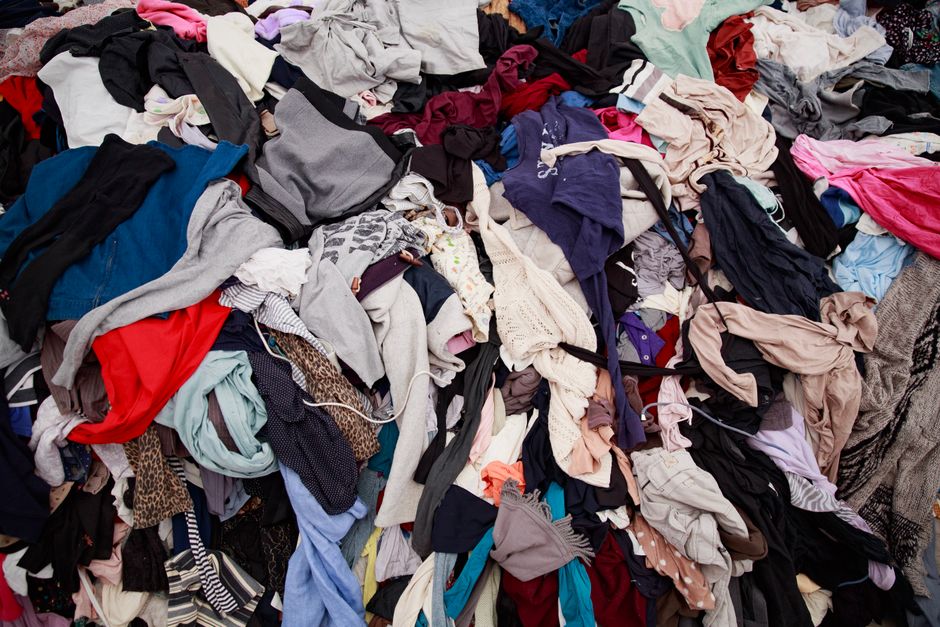
For many households, a practical donation routine looks like this: a bag for clothing in good condition, a box for books and homeware, and a small container for items that need repairing first. Simple, yes, but simple wins when you are tired at 8pm with a half-finished cup of tea on the counter.
One useful rule is this: if you would not feel comfortable giving the item to a friend, it probably is not donation-ready yet. That is not harsh. It is just honest.
Expert Tips for Better Results
A few details can improve the whole process more than people expect. The difference is often in preparation, not effort.
Clean before you donate
Donated goods should be presentable. Clothing should be fresh and usable, kitchen items should be washed, and soft furnishings should be free from obvious odours or damage. A quick wipe-down can make a huge difference. Nobody wants a "donation" that clearly took the scenic route through a dusty cupboard.
Protect fragile items
Wrap glassware, crockery, or ornaments carefully before moving them. Even if they are being donated, they should arrive intact. Broken items are often harder to recycle and may end up as waste anyway.
Think in categories, not just piles
It helps to group items by type as well as by decision. For example, all books together, all textiles together, all kitchenware together. That makes recycling and donation more efficient when you are ready to move things out.
Use low-impact cleaning products sensibly
Eco-friendly does not mean ineffective. Use products that suit the surface, and avoid overusing sprays or wipes. In many homes, warm water, microfiber cloths, and a mild cleaner are enough for routine work. For stubborn dirt or grease, a more targeted approach may be needed.
Work room by room
It sounds basic, but it keeps you sane. Finish one zone before starting another. That way, the house starts to feel better as you go, not just at the end.
And one slightly underrated tip: put a donation box somewhere visible for a few days. You will probably find a few more items you can part with once the first wave is gone. Funny how that works.
Common Mistakes to Avoid
Most bad clean-up outcomes are not dramatic. They are just the result of small, repeated slips. The good news is that they are easy to avoid once you know what to look for.
- Mixing donations with rubbish: Once that happens, recovery gets messy fast.
- Donating damaged goods: If an item is broken, stained beyond repair, or unsafe, it may not be suitable.
- Forgetting to clean recyclables: Food residue and contamination can ruin otherwise recyclable materials.
- Leaving sorting until the end: This usually creates more work, not less.
- Overlooking hidden storage spots: Under-bed boxes and high shelves often hide the surprise extras. Always do the final sweep.
- Holding on to "maybe" items forever: If it has been in the maybe pile for months, that is a clue.
Another common issue is trying to do the whole job in one burst. That can work for a small cupboard, but not for a full flat. If you start feeling rushed, your decisions get fuzzier. Better to pause, take a breath, and continue properly than to bin something you later regret donating.
If you are planning a more complex cleanup, our one-off cleaning and end-of-tenancy cleaning options can pair well with a responsible sorting plan.
Tools, Resources and Recommendations
You do not need a lot of equipment, but a few simple tools make the job smoother. The aim is to keep the process clear, safe, and efficient.
| Tool or item | What it helps with | Why it matters |
|---|---|---|
| Sturdy bags | Separating waste and donations | Reduces mixing and makes transport easier |
| Cardboard boxes | Books, kitchenware, small home items | Useful for sorted donations and fragile items |
| Labels or tape | Marking contents clearly | Prevents confusion later |
| Microfiber cloths | Wiping surfaces and donated items | Good for low-waste cleaning routines |
| Gloves | Handling dusty or grimy items | Improves comfort and hygiene |
| Marker pen | Noting item categories | Simple but surprisingly useful |
For larger homes, storage-heavy flats, or business spaces, it can also help to think about the clean as part of a wider maintenance routine. Services such as office cleaning, commercial cleaning, or communal area cleaning can be relevant where shared spaces need order as well as cleanliness.
If soft furnishings are involved, a targeted service like upholstery cleaning or sofa cleaning may help save items that would otherwise be replaced too quickly. That is a classic eco win: clean it well, use it longer.
Law, Compliance, Standards and Best Practice
When you are cleaning, clearing, and sorting waste in the UK, best practice matters even if you are not dealing with a formal commercial site. The basic principle is straightforward: dispose of waste responsibly, avoid fly-tipping, and use proper channels for items that can be reused or recycled. If you are responsible for a rental, shared home, or business space, there may be additional expectations around waste handling, cleanliness, and handover condition.
For domestic settings, the safest approach is to keep the process sensible and local. Follow the guidance provided by your local waste services, respect collection rules, and make sure reusable goods are passed on cleanly and safely. If you are dealing with electrical items, batteries, sharp objects, chemicals, or anything potentially hazardous, do not guess. Handle those items carefully and use the correct disposal route.
On the cleaning side, good practice usually means:
- using products according to the label
- ventilating rooms when needed
- keeping cleaning chemicals separate from food and donations
- storing sharp or breakable items safely
- making sure shared spaces are left tidy and secure
If you want to understand how a professional cleaning provider approaches safety, our health and safety policy and insurance and safety information outline the kind of careful working standards people should expect. For pricing transparency, you can also review pricing and quotes before booking anything that sits alongside your declutter.
And, to be fair, clear communication helps too. If you are arranging a clean with a provider, tell them what needs donating, what must be recycled, and what should be treated as general waste. That sounds small, but it prevents awkward surprises later.
Options, Methods and Comparison Table
There is no single right way to approach an eco clean. The best method depends on time, space, volume, and how much sorting you can realistically do yourself. Here is a simple comparison to help you choose.
| Method | Best for | Pros | Watch out for |
|---|---|---|---|
| Do-it-yourself sorting | Small to medium clear-outs | Low cost, flexible, full control | Can take longer and feel overwhelming |
| Room-by-room declutter with donation runs | Busy households | Easy to manage, less disruptive | May drag on if you lose momentum |
| Professional cleaning plus sorting support | Moves, tenancy ends, larger properties | Efficient, thorough, reduces stress | Requires planning and clear instructions |
| Full clearance approach | Severe clutter or urgent handovers | Fast and decisive | Less personal control over every item |
If you are not sure which route suits you, start by asking a simple question: do you need a clean home, or do you need a clean home and a proper sorting strategy? The answer usually points you in the right direction.
For more specialised property work, you may also find move-in cleaning, house cleaning, or even Airbnb cleaning useful depending on the property type and turnover needs.
Case Study or Real-World Example
A typical Maida Vale scenario looks something like this. A resident is moving out of a two-bedroom flat and wants to leave the place in good condition without sending usable household items straight to waste. There is a mix of books, a lamp, a few pans, some linens, and a couple of tired storage boxes that have seen better days. Nothing dramatic. Just normal life, really.
First, the resident sorts items into four groups. Good-quality books are boxed for donation. The lamp is checked, wiped, and kept aside for the new place. The pans are sorted: one is still usable and goes with the keep pile, one is scratched beyond comfort and is set aside for disposal, and the lid that no longer fits is recycled if appropriate. Linens are checked for stains and condition. The storage boxes are collapsed and recycled if they are clean enough.
Then the cleaning begins. Dust is wiped from shelves, skirting boards are vacuumed, and the empty spaces are cleaned properly instead of around clutter. Because the donation and recycling decisions were made first, the clean is quicker and more focused. The flat looks better, the exit feels calmer, and there is less waste at the end. Simple, not fancy.
That sort of process is often what people want from eco cleaning in practice. Not a grand theory. Just a tidy, thoughtful method that does not waste good things.
Practical Checklist
Use this checklist before, during, or after your clean-up. It keeps things grounded when the task starts to sprawl.
- Have I chosen one room or one zone to begin with?
- Have I separated keep, donate, recycle, repair, and dispose?
- Are donation items clean, safe, and in usable condition?
- Have I removed food residue from recyclables where needed?
- Have I set aside broken or hazardous items for proper handling?
- Have I labelled boxes and bags clearly?
- Have I cleaned shelves and surfaces after sorting?
- Have I moved donations out of the living area promptly?
- Have I checked hidden storage spots and drawers?
- Have I reviewed whether professional support would save time or stress?
Quick takeaway: sort first, clean second, and move reusable items on quickly. That rhythm keeps the process calmer, greener, and much less wasteful.
Get a free quote today and see how much you can save.
Conclusion
Eco cleaning Maida Vale recycling and donation tips are really about making better choices while the work is already happening. Once you stop treating waste, reuse, and cleaning as separate jobs, the whole process becomes easier to manage. You use less, throw away less, and keep more of what still has value. That is good sense, not just good manners.
Whether you are clearing a flat near the canal, resetting a family home, or preparing a property for the next chapter, a thoughtful eco approach gives you more control. Start small, sort carefully, and do not be afraid to ask for help if the job starts to outgrow your free time. A good clean should leave a place feeling lighter, not heavier. And honestly, that feeling at the end - when the room is clear and the bins are not overflowing - is hard to beat.
Frequently Asked Questions
What does eco cleaning mean in practice?
In practice, eco cleaning means using sensible, lower-impact methods where possible and reducing waste throughout the clean. That includes sorting items for reuse or recycling, using appropriate products carefully, and avoiding unnecessary disposal.
What should I donate during a clean-out?
Donate items that are clean, safe, and still useful. Common examples include books, kitchenware, linens, small household items, and clothing in good condition. If you would not feel comfortable giving it to someone else, it may need repair, recycling, or disposal instead.
Can I recycle dirty containers and packaging?
Usually, recyclables should be reasonably clean and free from leftover food or residue. If something is heavily contaminated, it may not be suitable for recycling. A quick rinse or wipe often helps, but avoid using excessive water just for one item.
How do I stop donations turning into clutter again?
Move donation bags and boxes out of the main living space as soon as possible. If they sit in the hallway or by the door for too long, they often become part of the scenery. Book a drop-off or collection plan early so the items actually leave the property.
Is it better to sort before or after cleaning?
Usually, sorting before cleaning is easier. You avoid handling the same item twice, and the clean can focus on open surfaces and cleared storage areas. It also helps you avoid cleaning around things you may not even keep.
What if I have too much to handle on my own?
Start with one room, not the whole property. If the amount of clutter or leftover items is too large, consider a professional clean-up or clearance service. That can save time and reduce stress, especially during a move or tenancy handover.
Are eco cleaning products always the best choice?
Not always for every task, but they are often a very good starting point. The key is to use the right product for the surface and the job. A gentle cleaner may be enough for everyday wiping, while heavier dirt may need a more targeted solution.
What should I do with broken household items?
Broken items should not be donated. Some can be recycled depending on the material, while others need disposal. If the item contains glass, metal, batteries, or electrical parts, treat it carefully and follow the proper disposal route available to you.
How can I make a clean-out feel less overwhelming?
Work in small sections and keep your decisions simple. A four-pile system - keep, donate, recycle, dispose - makes the process easier to follow. And yes, a short break for tea helps more than people admit.
Is this approach useful for end-of-tenancy cleaning?
Very much so. Sorting items early makes end-of-tenancy cleaning smoother, faster, and less stressful. It can also help you leave the property tidier and reduce the chance of last-minute waste problems.
Do I need professional help for a small flat?
Not necessarily. A small flat can often be managed with a good plan and a few hours of focused effort. But if your time is limited, the contents are bulky, or you want a more thorough reset, professional help can still be worthwhile.
What is the safest first step if I am unsure where to begin?
Pick one visible, low-pressure area such as a shelf, drawer, or corner of a room. Once you get a few items sorted, the momentum usually builds. Starting small is often the best way to make the whole task feel doable.